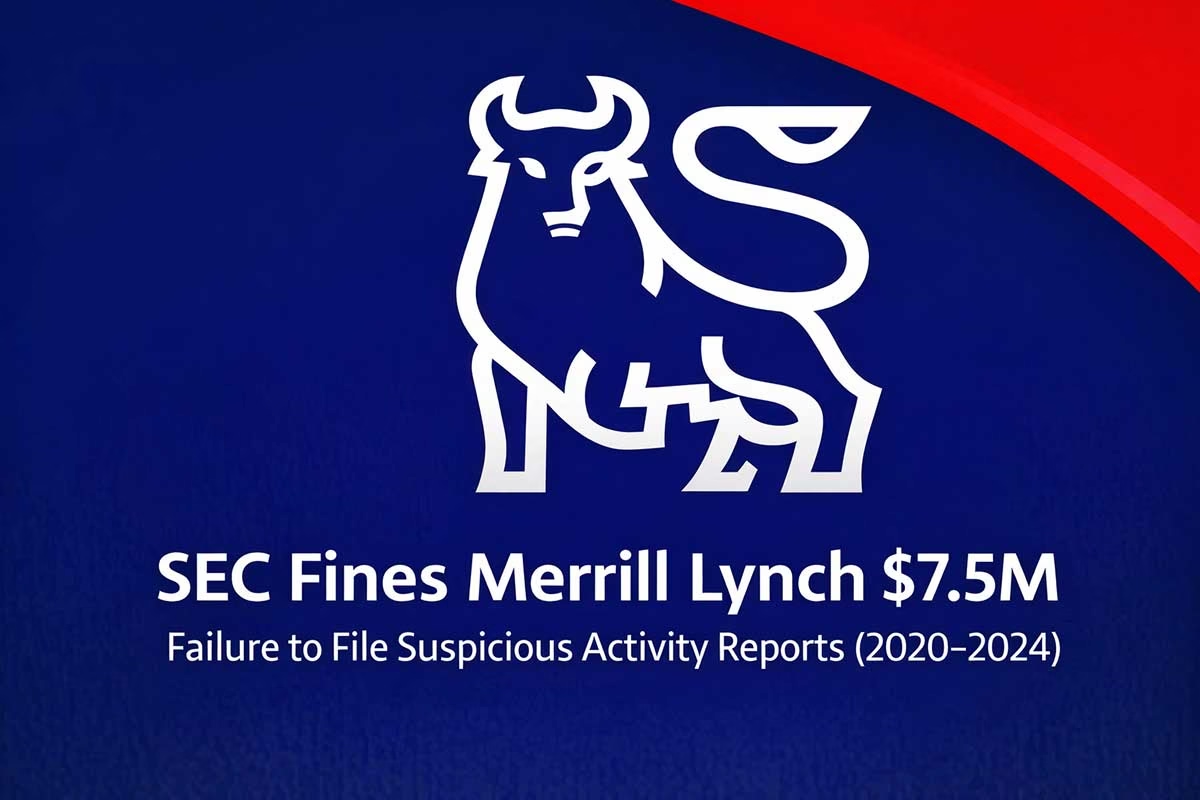
The SEC just hit **Merrill Lynch** with a **$7.5 million fine** for failing to file Suspicious Activity Reports, or SARs, over the last four years. These reports are supposed to be a firm’s first line of defense against money laundering and fraud. When a bank stops filing them, it means they aren’t properly flagging or investigating things like unauthorized transfers or suspicious patterns in client accounts.What stands out to me is that this isn’t a one-off mistake. This is actually the third time in just over a decade that they have been hit with regulatory penalties for these same kinds of filing breakdowns.
[They had similar issues between 2009 and 2019]
(InvestorClaims.com), which led to earlier fines from both the SEC and FINRA.If a firm isn’t catching red flags, things can slip through the cracks. If you noticed unexplained transactions, unauthorized trades, or activity you didn’t recognize during that 2020 to 2024 window, it might not just be a glitch. It could be tied to the firm’s broader failure to supervise what was happening in those accounts.If you suffered losses during that time and suspect something was off, it could be worth looking into whether you have grounds to pursue a claim through arbitration.


1-844-689-5754