
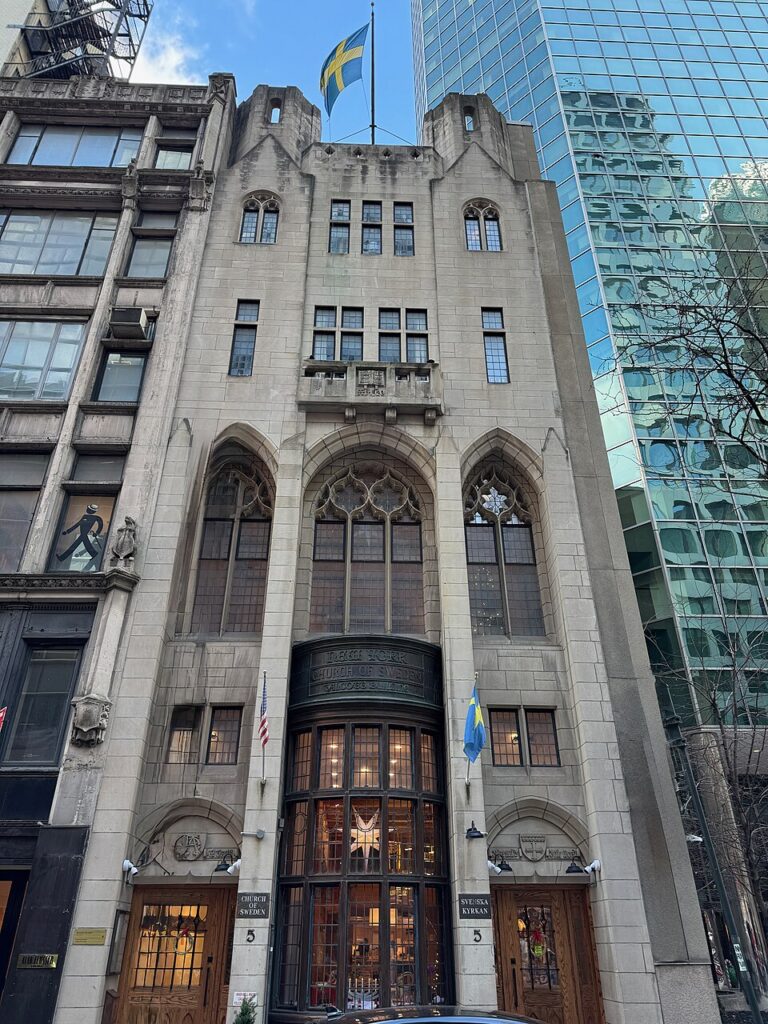
Olof Olsson, a former registered broker previously affiliated with Aegis Capital Corp., has been indicted on charges alleging he misappropriated more than $3.8 million from the Swedish Church of New York (New York Attorney General Press Release).
A newly unsealed criminal indictment filed by the New York Attorney General has brought renewed attention to the risks investors face when trust, oversight, and transparency break down.
While the allegations remain subject to proof in court, the case reflects a pattern frequently seen in complex financial misconduct matters: dual roles, limited oversight, and the use of fabricated financial records to conceal losses.
Allegations Against Olof Olsson
According to prosecutors, Olsson:
- Served as both a financial advisor and board member to the organization
- Allegedly diverted investor and institutional funds into accounts under his control
- Used funds for personal expenses and speculative activity
- Provided fabricated account statements and financial reports to conceal the scheme
- Conducted the alleged misconduct over a period spanning approximately 2018 through 2024
The indictment includes multiple felony counts, including grand larceny, falsification of business records, and possession of forged instruments (NY Attorney General indictment filing, 2026).
A particularly notable allegation is that forged brokerage account statements were used as part of the deception, reinforcing concerns about how easily falsified documentation can obscure underlying losses.
The Broker-Dealer Connection: Aegis Capital and Supervision Risks
Olsson’s prior affiliation with Aegis Capital Corp. introduces a broader regulatory context that investors should not ignore. As detailed in a recent FINRA enforcement action, Aegis was censured and fined $400,000 for regulatory violations and supervisory failures tied to Regulation M compliance, including:
- Dozens of untimely or incomplete regulatory filings
- Failure to maintain adequate supervisory systems
- Inaccurate representations to regulators regarding corrective actions
While the FINRA action does not allege the same conduct as the criminal case, the overlap is important:
When broker-dealers fail to maintain robust supervisory systems, the risk of undetected misconduct at the individual advisor level increases.
This is not a theoretical concern. Many investor loss cases arise not solely from fraud, but from failures in oversight, due diligence, and compliance infrastructure.
A Familiar Pattern: When Oversight Breaks Down
Cases like this often share a common architecture:
- A trusted advisor with dual authority or influence
- Limited or ineffective internal supervision
- Investors relying on account statements or summaries that are not independently verified
- Losses that remain hidden until the structure collapses
By the time misconduct becomes visible, recovery through the underlying investment is often limited or unavailable.
Recovery Options for Affected Investors
Even in cases involving alleged theft or misappropriation, recovery may still be possible through separate legal avenues.
Investors may have claims involving:
- Failure to supervise by a brokerage firm
- Negligent oversight or compliance failures
- Unsuitable investment recommendations or misrepresentations
These claims are often pursued through FINRA arbitration, which allows investors to seek recovery directly from brokerage firms and associated parties. Importantly, regulatory fines or criminal prosecutions do not compensate investors directly. Recovery typically requires affirmative legal action.
The Takeaway
The indictment of Olof Olsson highlights a critical reality in today’s investment landscape:
Investor losses are not always driven by market forces—they are often the result of breakdowns in trust, transparency, and supervision.
When those breakdowns occur, accountability may extend beyond the individual actor to include the institutions responsible for oversight.
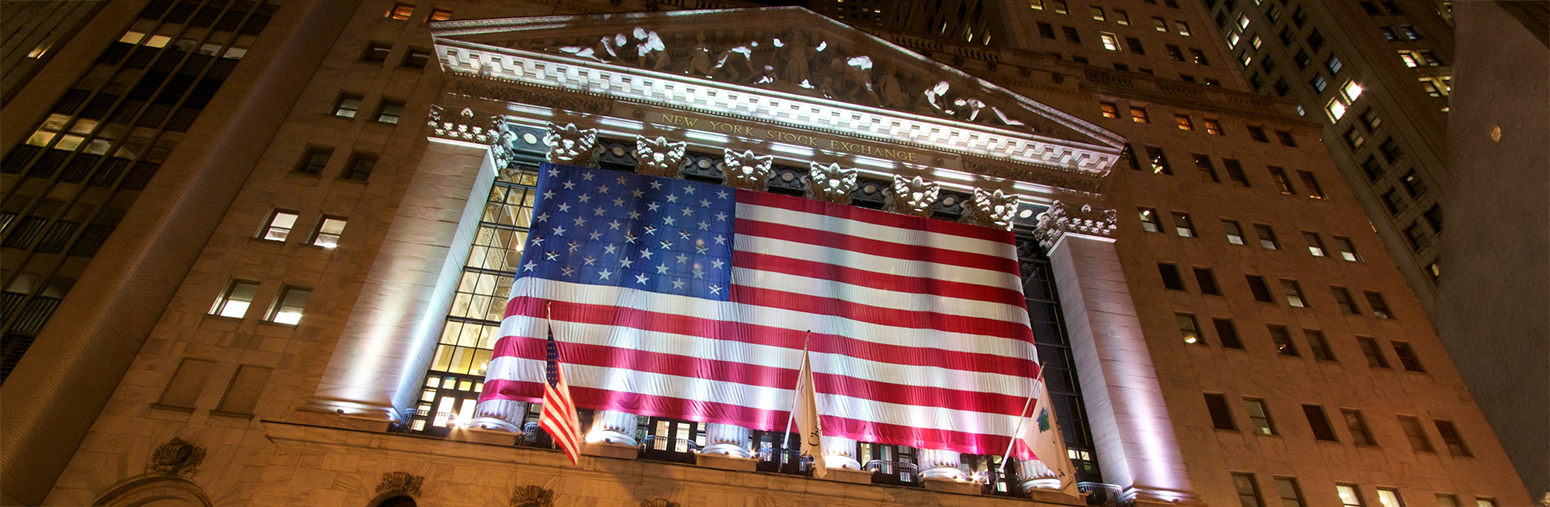
(Photo By Seasider53 via Wikimedia.org)